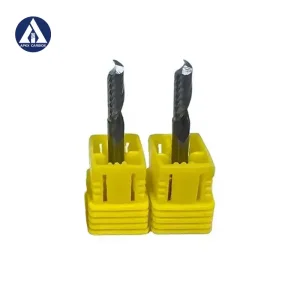
High-Performance Solid Carbide Series (Batch A)
Premium cemented tungsten carbide rotary blanks, precision end mills, and dimensional cutting discs fabricated with near-zero porosity metallurgy.
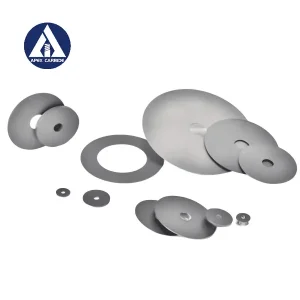
Wholesale Tungsten Carbide discs cutting discs with various sizes available Manufacturer, Suppliers
Request Engineering Spec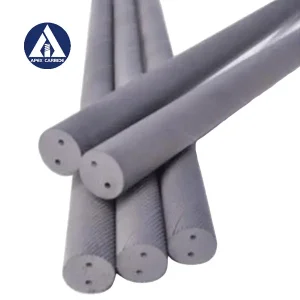
China Tungsten Carbide Rods with two helix coolant holes and 30 or 40 degree blank or h5 ground Manufacturers, Factory
Request Engineering Spec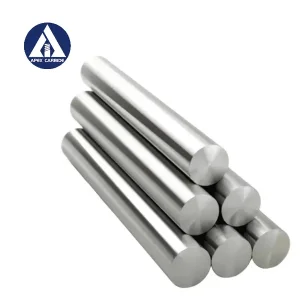
China Tungsten Solid Carbide Rods for End Mills and Drills with stable high quality from China Factory, Factories
Request Engineering Spec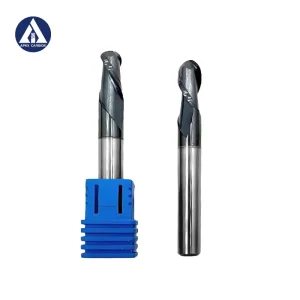
China 2 Cuts Ball Nose/Spherical Solid Carbide End Mills for Stainless Steel Manufacturer, Supplier
Request Engineering Spec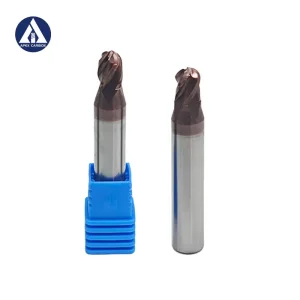
Wholesale 4 Flutes Ball Nose Carbide End Mills with TiALN Coating Suppliers, Factories
Request Engineering Spec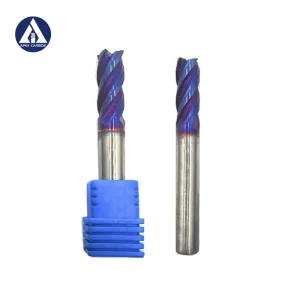
China 68 HRC Flat Carbide End Mills for High Hardness Metal with NACO Blue Coating Supplier, Factory
Request Engineering Spec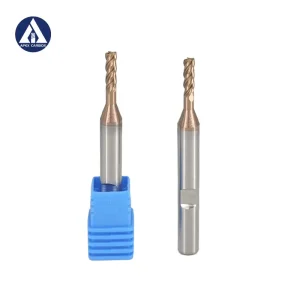
China 4-Flute Flat End Mill with Weldon Shank CNC Milling Cutter for General Machining Manufacturer, Factory
Request Engineering SpecIndustry Trends: The Next Horizon in Cemented Carbide Sheets
Understanding the critical shift from standard tungsten-cobalt alloys to nanostructured, binder-optimized wear plates in next-generation extreme engineering applications.
Submicron Grain Consolidation
Modern progressive dies and blanking systems necessitate microstructures below 0.5 μm. By suppressing grain boundary growth during the liquid-phase sintering window, our metallurgical formulations yield transverse rupture strengths (TRS) surpassing 4,000 MPa, preventing catastrophic chip fracture during intense stamping strokes.
Corrosion-Resistant Matrix Formulations
Standard cobalt binders degrade rapidly in acidic cutting emulsions and electrochemical machining (ECM) environments. APEX has pioneered alternative multi-element binder matrices (Ni-Cr-Co), boosting operational lifespan across battery electrode slitting and aggressive fluid handling operations by more than 300%.
Near-Net-Shape Isostatic Consolidation
Direct powder pressing to tight geometric tolerances reduces diamond wheel grinding hours for tier-1 toolmakers. Our computer-modeled shrinkage calculations ensure sintered dimensional fidelity within ±0.15 mm, substantially mitigating downstream diamond consumption and cycle overhead.
Enterprise Procurement Standards: Beyond Nominal Hardness
Purchasing managers worldwide demand verified batch repeatability, complete traceable metallurgical documentation, and zero structural defect guarantees.
Pore-Free Integrity (ISO 4505)
All carbide blocks and sheets undergo 60-bar overpressure Sinter-HIP cycles, eliminating micro-voids and restricting residual porosity strictly to A00-B00-C00 levels under optical microscopic validation.
Coercive Force Consistency
Strict magnetic saturation (4πσ) and coercive force (Hc) verification guarantees identical grain sizing and homogeneous carbon phase balance across every production batch delivered to your warehouse.
Parallelism & Flatness Control
Utilizing high-rigidity CNC double-disc grinding surfaces, APEX achieves plate flatness within 0.005 mm per 100 mm of span, dramatically cutting tool room preparation and EDM alignment times.
Raw Ore Material Sovereignty
Headquartered in Jiangxi—the heart of global tungsten reserves—APEX sources raw ammonium paratungstate (APT) under long-term direct allocations, mitigating supply chain swings and offering dependable pricing stability.
Grade Selection Matrix for Tungsten Carbide Wear Sheets
Aligning cobalt binder percentage, submicron grain physics, and mechanical rupture properties with targeted end-use engineering applications.
| ISO Class | Cobalt Content (%) | Grain Sizing (μm) | Density (g/cm³) | Hardness (HRA) | TRS (MPa) | Primary Industrial Application |
|---|---|---|---|---|---|---|
| K05 - K10 | 6.0% | 0.6 - 0.8 (Submicron) | 14.95 | 92.8 - 93.5 | ≥ 3400 | Precision slitting knives, paper converting, non-ferrous metal shaving blades |
| K20 - K30 | 8.0% - 10.0% | 0.8 - 1.2 (Fine) | 14.70 | 91.5 - 92.5 | ≥ 3800 | Progressive stamping dies for silicon steel, stator/rotor lamination tooling |
| G15 - G20 | 12.0% - 15.0% | 1.2 - 2.0 (Medium) | 14.30 | 88.5 - 90.0 | ≥ 4000 | Heavy cold-heading dies, punch matrix components, extreme impact wear plates |
| Corrosion Grade | 9.0% (Ni/Cr Bind) | 0.8 (Submicron) | 14.65 | 91.8 - 92.6 | ≥ 3500 | EV lithium battery pole piece cutting, chemical processing valve seals |
Technical Roadmap & Sustainable Global Compliance
Full spectrum metallurgical alignment with international regulatory compliance, conflict-free mineral transparency, and sustainable circular production.
Conflict-Free Mineral Due Diligence
Our raw material procurement complies rigorously with OECD Due Diligence Guidance and the Responsible Minerals Initiative (RMI). Every batch of tungsten carbide sheet is 100% traceable to audited smelt origins, protecting our downstream multinational partners from regulatory infractions.
RoHS, REACH & ISO Quality Systems
APEX operations operate strictly under ISO 9001:2015 quality management and ISO 14001 environmental frameworks. Our carbide materials are fully verified to be free of SVHCs (Substances of Very High Concern) under EU REACH and compliant with RoHS limits for electrical manufacturing tools.
Closed-Loop Recycling & Decarbonization
Through our dedicated zinc-recovery and chemical recycling infrastructure, scrap carbide edges, dull punches, and swarf are reclaimed into clean secondary powders, slashing carbon emissions by 42% compared to virgin ore processing while upholding pristine purity levels.
Technical & Procurement FAQ
Clear, direct answers for engineering directors, machine tooling specifiers, and global sourcing specialists.
What is the maximum achievable sheet dimension from APEX?
Our high-tonnage hydraulic presses and expansive 60-bar sinter-HIP furnaces can produce monolithic carbide plates up to 350 mm × 350 mm, and strips with continuous lengths reaching 1,000 mm. Thicknesses range from 0.5 mm up to 60.0 mm with custom allowances.
How do you resolve micro-chipping during wire EDM cutting?
Wire electrical discharge machining (EDM) causes microscopic thermal cracking if internal residual stress is unaddressed. Our sheets undergo secondary structural tempering and grain-stabilizing homogenization cycles, reducing internal thermal stresses and minimizing cobalt depletion during rapid wire cutting.
Can you provide custom chamfers, screw holes, or ground bevels?
Yes. We furnish unground sintered blanks as well as fully finished parts. Our CNC surface and optical profile grinding equipment can machine countersinks, precision bolt holes, precision mirror finishes (Ra ≤ 0.05 μm), and precise cutting bevel angles according to your technical drawings.
What quality certification documents accompany wholesale shipments?
Each batch shipment is accompanied by a comprehensive EN 10204 3.1 Material Test Report documenting actual density, Rockwell A hardness, coercive force, magnetic saturation, and porosity grading, along with dimensional CMM inspection certificates.
Precision Rod Blanks, Coolant Systems & Cutters (Batch B)
Engineered carbide blanks featuring dual-helix coolant passages, micro-grain round bars, and high-velocity CNC profile cutters.
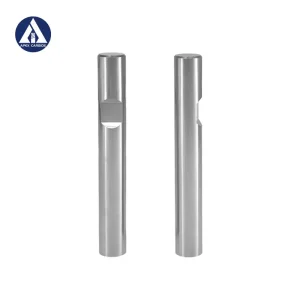
Wholesale Tungsten solid carbide rods with customized weldon and h5 ground and chamfered Manufacturers, Supplier
Request Engineering Spec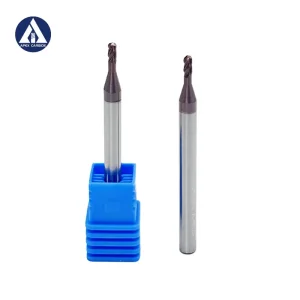
China Long Neck Ball Nose Carbide End Mills with TiALN Coating Manufacturer, Factories
Request Engineering Spec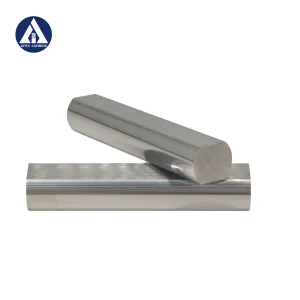
China Solid Carbide Round Blank with Two Weldon Flats, Pre-Ground Cemented Tungsten Carbide Rod Blank for CNC Cutting Tool Manufacturing Manufacturer, Supplier
Request Engineering Spec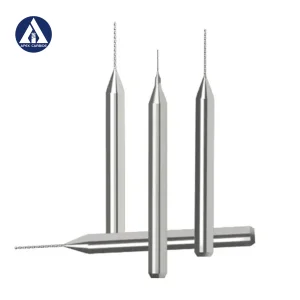
China Ultra Fine Grain Tungsten Carbide Rod Blanks For PCB Micro Drill Bit Manufacturing Manufacturers, Supplier
Request Engineering Spec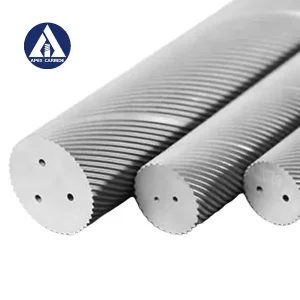
Wholesale Factory Supply Tungsten Carbide Rods with two helix holes Double spiral holes rods with 30 or 40 degree Supplier, Factory
Request Engineering Spec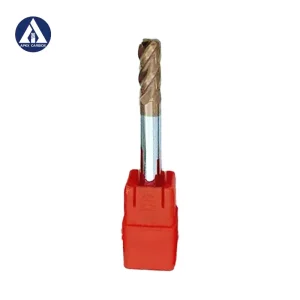
Wholesale HRC55 High Performance Solid Carbide Milling Cutter Manufacturers, Supplier
Request Engineering Spec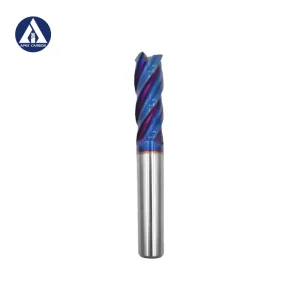
China 65 HRC Tungsten Solid Carbide Milling Cutters with NaNo Blue coating Suppliers, Factory
Request Engineering Spec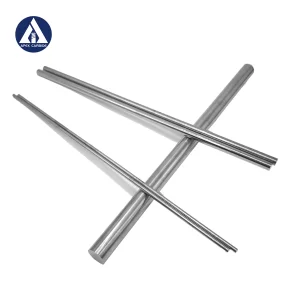
Wholesale Solid Carbide Blank Rod Cut to Length Tungsten Carbide Round Blank for End Mill Manufacturing Tungsten Carbide Round Blank Rod Factory, Factories
Request Engineering SpecNeed Custom Carbide Sheet Formulations or Drawing Quotes?
Our metallurgical staff evaluates custom grain requirements, structural drawings, and annual blanket purchase programs within 24 hours.