Precision Engineering Portfolio
High-Precision Cutting Tools & Preforms
Engineered for extreme hardness, high structural integrity, and optimized chip resistance across CNC machining workflows.
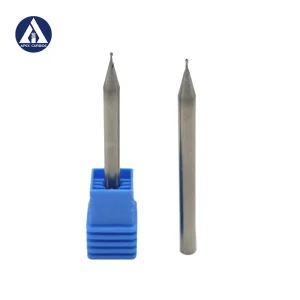
China Long Neck Ball Nose Carbide End Mills with TiALN Coating Manufacturer, Factories
Explore Specification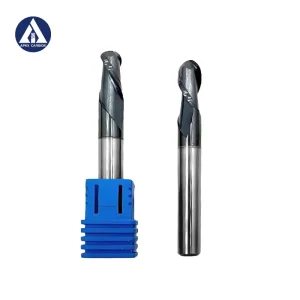
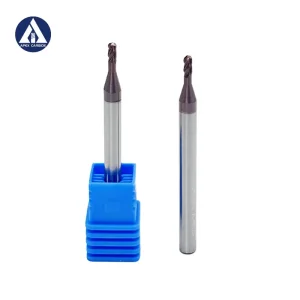
China 2 Cuts Ball Nose/Spherical Solid Carbide End Mills for Stainless Steel Manufacturer, Supplier
Explore Specification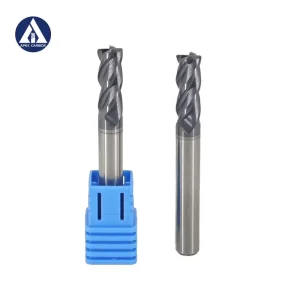
Wholesale Corner Radius Carbide Milling Cutters with Coated for Stainless Steel Manufacturer, Suppliers
Explore Specification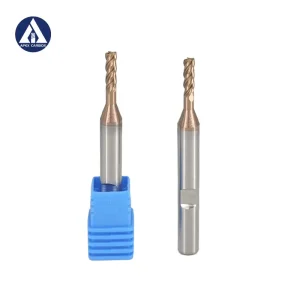
China 4-Flute Flat End Mill with Weldon Shank CNC Milling Cutter for General Machining Manufacturer, Factory
Explore Specification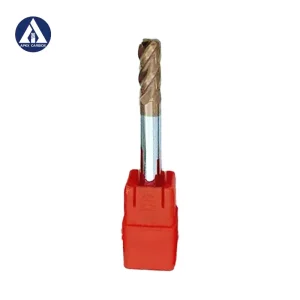
Wholesale HRC55 High Performance Solid Carbide Milling Cutter Manufacturers, Supplier
Explore Specification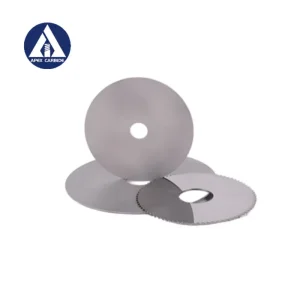
Wholesale Tungsten Carbide Disc Blade, Cemented Carbide Circular Custom Size Discs Precision Tungsten Carbide Disc Blade Manufacturers, Suppliers
Explore Specification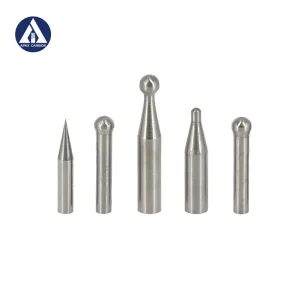
China Precision-Ground Tungsten Carbide Blanks & Preforms for Cutting Tool Manufacturing Manufacturer, Suppliers
Explore Specification
Industry Whitepaper
Global Landscape of Tungsten Carbide Plates & Sheets
In-depth technical analysis of cemented carbide plates across heavy industry, semiconductor production, and precision punch dies.
Material Composition & Metallurgy
Tungsten carbide plates (WC-Co/WC-Ni) represent the gold standard for resisting abrasive wear, impact force, and structural deformation. With grain sizes carefully tuned between submicron (0.4–0.8 µm) and coarse distributions, metallurgical balance ensures high transverse rupture strength (TRS) without compromising rockwell hardness (HRA 89.0 to 93.5).
Supply Chain Resiliency & Origin
China holds over 80% of global upstream tungsten reserves and intermediate ammonium paratungstate (APT) processing capacity. Jiangxi APEX Carbide leverages vertical integration—from powder metallurgy to finished plate ground finishes—to insulate buyers against geopolitical disruptions, freight bottlenecks, and market volatility.
Industrial Wear-Resistant Evolution
Modern applications demand multi-variable operational endurance: cavitation resistance, high temperature hardness, and acid-alkaline resistance. The transition from legacy tool steel wear components to HIP-sintered carbide strips and plates increases wear lifecycle longevity by 800% to 1500% in extreme industrial environments.
20+
Years Sintering Experience
3
Dedicated Production Plants
500+
Skilled Metallurgical Workers
100+
Core Process Technologies
Localized Applications
Macro-Industry Use Cases & Engineering Deployments
Targeted solutions designed to withstand severe thermal loads, mechanical abrasion, and cyclic fatigue across crucial global supply chains.
Stamping Dies & Progressive Punches
High-cobalt micro-grain carbide plates (12%-15% Co) prevent micro-chipping during high-speed blanking of stainless steel, silicon sheets, and electronic lead frames. Enhanced transverse rupture resistance ensures flawless edge fidelity over multi-million cycles.
Mining, Crushing & Heavy Slurry Liners
Tungsten plates engineered with coarse WC particles provide superior fracture energy absorption against quartz and granite abrasives. Utilized as modular wear bricks for shredder blades, chute guides, and slurry pump wear rings across harsh extraction sectors.
Semiconductor & Electronics Mold Tooling
Submicron plates are wire-EDM cut and mirror-polished (Ra < 0.02 µm) for precision IC packaging, surface mount pick-and-place nozzles, and high-frequency mold cavities where zero thermal distortion is mandatory during high-temperature potting processes.
Woodworking, Non-Ferrous & Fiber Slitting
Mirror-ground thin tungsten carbide strips and plates cut high-density fiberboards (MDF), carbon fiber composites, and battery separator films, mitigating edge burrs and extending run duration by up to 10 times compared to high-speed steel alternatives.
Technical Roadmap & Standards
Metallurgical Grade Matrix & Future Development
Comprehensive physical parameters and continuous improvement roadmap engineered to fulfill stringent international aerospace and toolmaking specifications.
| Carbide Grade | Cobalt Binder (% Co) | Grain Size (µm) | Density (g/cm³) | Hardness (HRA) | TRS (MPa) | Primary Industrial Sector |
|---|---|---|---|---|---|---|
| AP-K10 | 6.0% | 0.8 (Fine) | 14.95 | 92.8 | 2300 | Cast iron, non-ferrous metals, abrasive wood slitting |
| AP-M20 | 8.0% | 0.6 (Submicron) | 14.70 | 92.2 | 2800 | Progressive stamping, titanium routing, slitters |
| AP-P30 | 10.0% | 0.5 (Ultra-fine) | 14.45 | 91.8 | 3400 | Die and mold punches, aerospace alloys, shock blanks |
| AP-W15 | 15.0% | 1.4 (Medium-Coarse) | 14.05 | 88.6 | 3800 | Heavy cold forging dies, crusher linings, mining wear tiles |
Binderless Nano-Carbides (2025–2026)
Development of ultra-pure tungsten matrix plates with binder content under 0.5%, yielding extreme corrosion resistance and wear capabilities optimal for corrosive glass lens molding and optical polishing fixtures.
Automated Sinter-HIP Consolidation
Upgrading 60-bar overpressure sinter-HIP autoclaves with neural temperature-monitoring systems to completely eliminate residual micro-porosity (A00, B00 standard) across plate thicknesses reaching up to 60 mm.
Additive Near-Net Prototyping
Integrating binder jet 3D printing of WC preforms for accelerated trial cycles of intricate wear components, slashing custom blank delivery turnaround from weeks to within 7 operating days.
Purchasing & Technical Support
Frequently Asked Questions by Industrial Sourcing Teams
Essential guidance on dimensional tolerances, surface grinding, shipment logistics, and material certifications.
What dimensional tolerances can APEX achieve on carbide plates?
We supply unground/sintered blanks with standard tolerances (±0.5 mm to ±1.5 mm depending on size) and precision ground plates achieved through surface grinding, double-disc lapping, and wire-EDM holding thickness tolerances down to ±0.002 mm with flatness under 0.005 mm.
How does Sinter-HIP processing affect plate integrity?
Standard vacuum sintering often leaves micro-voids under elevated thicknesses. Sinter-HIP introduces up to 60 bar of inert gas pressure at high temperature, collapsing micropores, eliminating delamination risks during wire EDM, and improving TRS by 15-20%.
Can you provide custom plate preforms to minimize machining waste?
Yes. By utilizing dedicated die compaction, cold isostatic pressing (CIP), and 5-axis green machining prior to sintering, we supply near-net preforms with holes, counterbores, chamfers, and bevels matching your technical CAD blueprints.
What documentation accompanies international shipments?
Each delivery lot includes a comprehensive Certificate of Analysis (CoA) containing certified density, hardness (HRA), TRS data, metallographic porosity evaluation, magnetic saturation (Cobalt magnetic properties), and full dimensional CMM inspection reports.
Carbide Rods, Round Bars & Tooling
Precision Ground Rods & Industrial Cutters
Ultra-dense, micro-grain solid carbide cylinders, coolant rods, and specialty cutters ground to h5/h6 tolerances for high-speed machining.
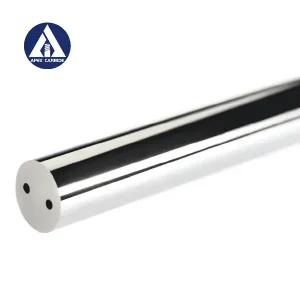
China Tungsten Carbide Rods with one or two Straight Coolant holes in blank or h5 ground Manufacturers, Suppliers
Explore Specification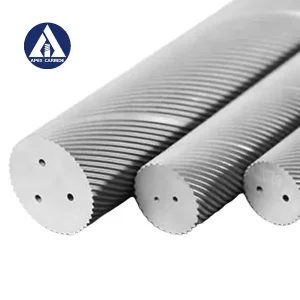
Wholesale Factory Supply Tungsten Carbide Rods with two helix holes Double spiral holes rods with 30 or 40 degree Supplier, Factory
Explore Specification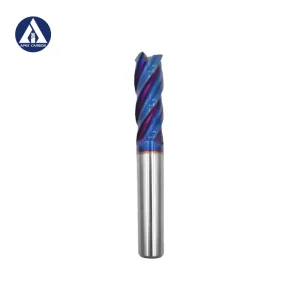
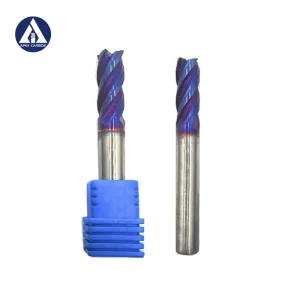
China 65 HRC Tungsten Solid Carbide Milling Cutters with NaNo Blue coating Suppliers, Factory
Explore Specification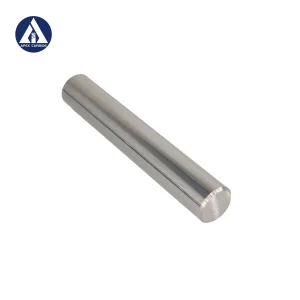
Wholesale Unground Sintered Carbide Rod Blank 330mm Long, Cemented Tungsten Carbide Round Bar for End Mill & Drill Bit Raw Material Supplier, Suppliers
Explore Specification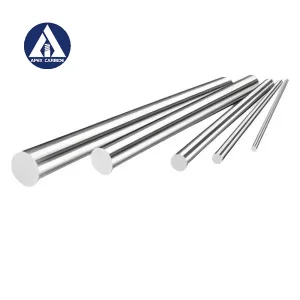
Wholesale High Quality Tungsten Solid Carbide Rod with Ground or Unground Manufacturer, Supplier
Explore Specification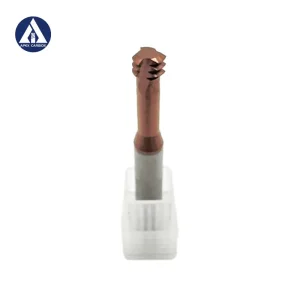
Wholesale Three tooth General machining thread end mill Manufacturers, Factories
Explore Specification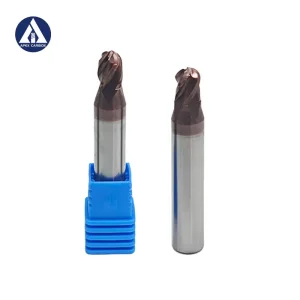
Wholesale 4 Flutes Ball Nose Carbide End Mills with TiALN Coating Suppliers, Factories
Explore Specification