Precision Solid Carbide Rod Blanks for Ethiopian Industry
Premium grade WC-Co tungsten carbide round bars featuring micrograin structural consistency, tight cylindrical tolerances, and ultra-high transverse rupture strength.
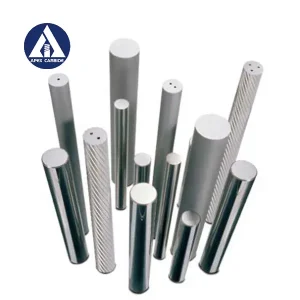
Solid Carbide Rods for End Mills & Drills - Ethiopia Machining Grade
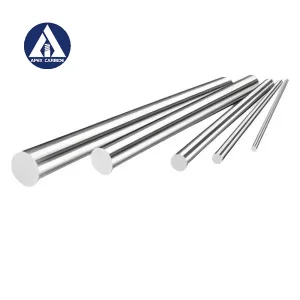
Ground & Unground Tungsten Solid Carbide Rods for Ethiopian Toolmakers
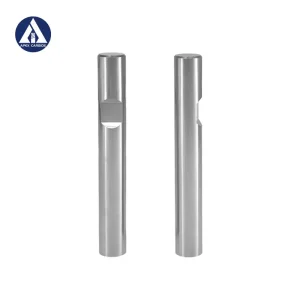
h5 Ground & Weldon Chamfered Carbide Rods for Heavy Industry in Addis Ababa
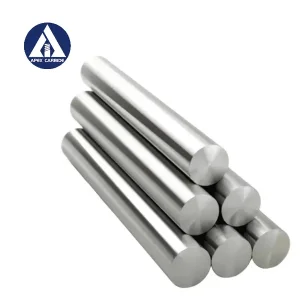
Premium End Mill Carbide Blank Rods for Industrial Parks in Ethiopia
Ethiopia’s Industrial Renaissance & Demand for Tooling Excellence
Analyzing the structural shifts across Ethiopia's manufacturing hubs, industrial parks, and infrastructure corridors driving tungsten carbide tooling imports.
Industrial Parks Development Corporation (IPDC) Expansion
Ethiopia’s flagship industrial development strategy—anchored by mega industrial zones such as Hawassa, Bole Lemi, Kilinto, Kombolcha, and Dire Dawa—has established the nation as East Africa’s premier manufacturing hub. The modernizing textile, apparel, electrical component assembly, and light engineering factories located in these zones require a steady, reliable supply of high-precision solid carbide tools, end mill blanks, and custom wear parts to maintain continuous automated operations without premature tool failure.
Energy Security via the Grand Ethiopian Renaissance Dam (GERD)
The commissioning of the GERD has unlocked vast, cost-effective hydroelectric power across Ethiopia, spurring heavy industrialization. Steel rolling mills, aluminum extrusion plants, automotive assembly facilities (such as Marathon Motor Engineering), and re-machining workshop lines across Addis Ababa and Oromia Special Zones can now run high-speed CNC milling and turning lines 24/7. This energy revolution directly correlates with an increased requirement for heat-resistant micrograin tungsten carbide rods capable of enduring high-speed dry machining.
Modjo Dry Port & Addis Ababa Logistics Synergy
As the primary inland terminal connected to Djibouti Port via the electrified Addis Ababa–Djibouti Railway, Modjo Dry Port facilitates fast customs clearance for critical raw materials. Our direct export supply chain to Ethiopian importers ensures fast sea-freight and air-cargo customs clearance, eliminating manufacturing downtime for local toolmakers and re-grinding workshops throughout the Horn of Africa.
Localization of Tool Re-Sharpening & Tool Manufacturing
Historically reliant on imported finished tools from Europe and Asia, Ethiopian tooling workshops are rapidly acquiring multi-axis CNC tool grinders (ANCA, Walter, Vollmer). Local tooling engineers require h5 and h6 tolerance ground carbide rods with pre-formed chamfers and Weldon flats to locally produce custom step drills, end mills, and reamers tailored to Ethiopian workpiece alloys.
Advanced Tungsten Carbide Powder Metallurgy & Material Science
Understanding how submicron WC powder selection, cobalt binder content, and Sinter-HIP pressure metallurgy dictate tool longevity in demanding metal-cutting conditions.
Cemented tungsten carbide (WC-Co) is a composite material synthesized via powder metallurgy, where hard tungsten carbide ceramic grains are bonded by a metallic cobalt (or nickel/chromium) matrix. In heavy-duty milling and drilling operations, tool failure occurs primarily via micro-chipping, thermal cracking, adhesive wear, or plastic deformation. Achieving optimal tool performance requires exact tuning of metallurgical parameters:
1. WC Grain Size Architecture
Our solid carbide rods utilize refined grain structures ranging from Submicron (0.6µm–0.8µm) to Ultrafine (<0.4µm). Finer WC grain sizes dramatically increase hardness (HRA 92.5 to 94.0) while creating a dense barrier against abrasion when cutting abrasive materials such as high-silicon aluminum alloys, cast iron, and hardened tool steels up to 65 HRC.
2. Sinter-HIP Densification Tech
Traditional vacuum sintering leaves residual micro-porosity within the carbide matrix, compromising transverse rupture strength (TRS). We utilize state-of-the-art integrated Sinter-HIP (Hot Isostatic Pressing) furnaces operating at 100 bar pressure and 1450°C. This eliminates internal voids (achieving ISO porosity rating A00, B00, C00), elevating TRS to over 4,000 MPa.
3. Optimized Cobalt Binder Matrix
The cobalt binder percentage directly balances hardness against fracture toughness. A 6% Co binder offers maximum wear resistance for non-ferrous materials, whereas 10%–12% Co provides the ideal balance of toughness and edge stability required for general-purpose steel machining and interrupted cut milling applications in Ethiopian heavy machinery repairs.
Technical Grade Specifications for Ethiopian Tool Engineers
| Grade Code | WC Grain Size | Cobalt Content (%) | Density (g/cm³) | Hardness (HRA / HV30) | TRS (MPa) | Recommended Applications |
|---|---|---|---|---|---|---|
| APX-6U | Ultrafine (0.4 µm) | 6.0% | 14.95 | 93.5 HRA / 1850 HV | 3,800 | High-speed dry finishing, graphite, PCB micro-drills, titanium alloys |
| APX-10S | Submicron (0.6 µm) | 10.0% | 14.45 | 92.5 HRA / 1680 HV | 4,200 | Universal milling end mills, steel drills, stainless machining (up to 55 HRC) |
| APX-12U | Ultrafine (0.5 µm) | 12.0% | 14.20 | 92.0 HRA / 1620 HV | 4,500 | Heavy-duty milling, interrupted cuts, hardened mold steel machining (55-65 HRC) |
| APX-15M | Medium (1.2 µm) | 15.0% | 13.95 | 89.5 HRA / 1350 HV | 3,500 | Impact wear parts, cold heading dies, mining button inserts, agricultural blades |
Next-Generation Helical Coolant Holes & Coating Integration
Pioneering internal coolant channel geometry and nano-composite PVD/CVD hard coatings engineered for extreme thermal environments.
1. Helical Internal Coolant Channels (30° / 40° Helix)
High-feed drilling into tough materials generates rapid heat accumulation at the drill point. Standard external coolant application fails to reach the cutting zone in deep-hole drilling (aspect ratios > 5xD). Our advanced extrusion process embeds single, twin, or 30°/40° helical internal coolant holes through the core of the solid carbide rod blank.
- Delivers high-pressure coolant straight to the tool tip area.
- Flushes chips smoothly along flutes, preventing chip packing and tool breakage.
- Reduces thermal shock in high-temp alloy machining.
2. Advanced PVD & CVD Nano-Composite Coatings
To survive high cutting speeds without liquid coolant (dry machining), carbide tools must be protected by thin-film hard coatings. We support optimized physical vapor deposition (PVD) coating compatibility for all ground rod blanks:
- AlTiN / TiAlN: Thermal barrier up to 900°C; ideal for general steel milling.
- TiSiN Nano-Composite: Hardness up to 3800 HV, working temp 1100°C; tailored for hardened steel die & mold finishing.
- DLC (Diamond-Like Carbon): Ultra-low friction coefficient; prevents material buildup (BUE) on non-ferrous aluminum lines.
Macro Industry Solutions Across Key Ethiopian Economic Sectors
Customized solid carbide solutions tailored to localized manufacturing, infrastructure development, mining, and agro-processing demands.
1. Infrastructure & Construction Tooling
With massive highway, rail, and hydroelectric projects undergoing construction across Amhara, Oromia, and Tigray regions, local equipment re-conditioning shops utilize our solid carbide round bars to fabricate heavy-duty pins, bushings, reamers, and rock-drilling wear components that resist abrasive silica dust and high mechanical stress.
2. Agro-Processing Machinery Wear Parts
Agriculture remains a cornerstone of the Ethiopian economy. Processing machinery in sugar estates (e.g., Wonji Shoa, Metahara), flour mills, and coffee/tea processing complexes face rapid erosive wear. Custom carbide strips, round rod cutters, and rotary knives engineered from our APX-15M grade extend component life by 800% compared to standard tool steel.
3. Automotive Re-Machining & Engine Rebuilding
Heavy transport trucks traveling the Djibouti-Addis corridor require frequent engine block re-boring and valve seat machining. Precision engine rebuilding workshops in Akaki Kality and Nefas Silk districts rely on our ground carbide rods ground to h5 diameter tolerance to grind custom valve seat cutters, micro-boring bars, and valve guide reamers.
Tungsten Carbide Rods, Micro-Drills & Thread End Mills
Explore our complete catalog of unground sintered blanks, cut-to-length ground bars, Weldon flat blanks, and micro PCB carbide tooling exported directly to Ethiopia.
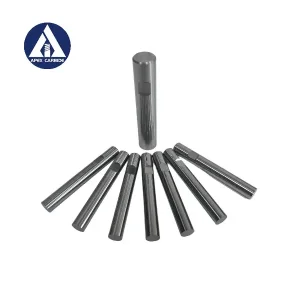
Cemented Carbide Round Bars with Weldon Flat - Ethiopian Machining Standard
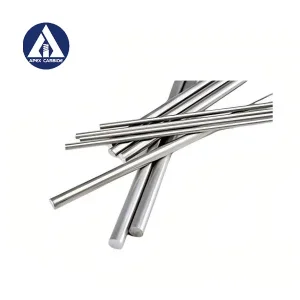
Cut-to-Length Solid Carbide Rods & Round Bars for Ethiopian CNC Toolmakers
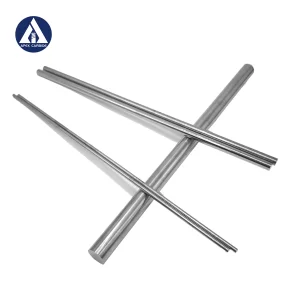
Solid Carbide Blank Rods Cut to Length for End Mill & Drill Manufacturing
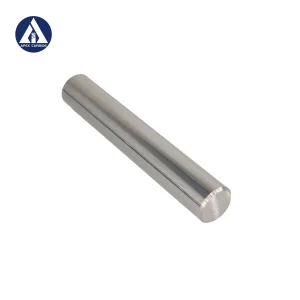
Unground Sintered Carbide Rod Blanks 330mm Long - Raw Material Stock
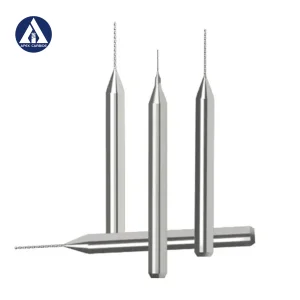
Ultra-Fine Grain Tungsten Carbide Rod Blanks for Micro-Drill Manufacturing
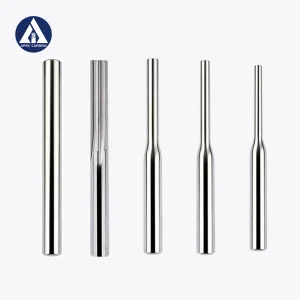
High-Purity Cemented Carbide Round Bar Blanks for Electronic Micro-Tools
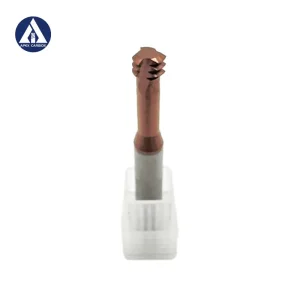
Three-Tooth General Machining Thread End Mills for CNC Production Lines
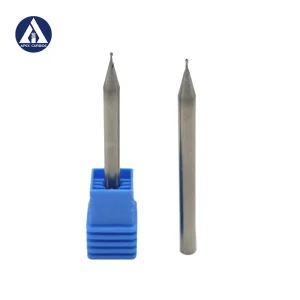
2-Flute Solid Carbide Micro Ball Nose End Mills for Precision Die & Mold Work
Frequently Asked Questions (FAQ) for Ethiopian Importers
Expert answers addressing technical specifications, logistics to Bole International Airport / Djibouti Port, LC payment terms, and custom OEM manufacturing capabilities.
Partner with a Leading Global Carbide Manufacturer
Optimize your machining efficiency, reduce tool wear costs, and secure reliable supply chains for your operations in Ethiopia. Request technical datasheets, custom grade quotes, or sample rods today.
Send Inquiry Now