
Verified micro-grain solid carbide configurations calibrated for high-feed roughing, precision reaming, and specialized rotational finishing in tropical manufacturing conditions.
-
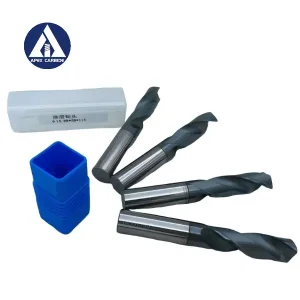
Wholesale Tungsten Solid Carbide Drills with Coated Customized Carbide Tools Manufacturers, Suppliers (Jakarta Grade)
Send Inquiry / View Specs -
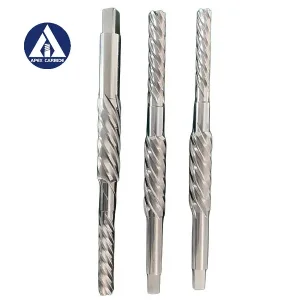
Wholesale Solid Cemented Carbide Reamers Tungsten Carbide Customized Tools Manufacturer (Jakarta Precision Fit)
Send Inquiry / View Specs -
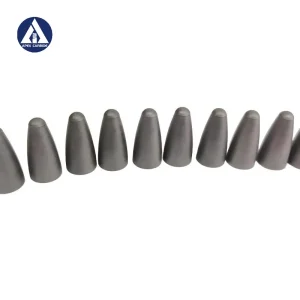
China Tungsten Solid Carbide Rotary Burr Blank Supplier, Factories for Jakarta Heavy Fabricators
Send Inquiry / View Specs -
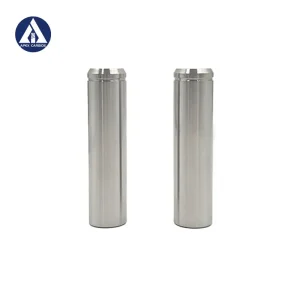
China Custom Tungsten Carbide Cylindrical Parts with Slotted Top Supplier, Suppliers for Jakarta Stamping Lines
Send Inquiry / View Specs
Deciphering the transition of the Greater Jakarta industrial corridor (Jabodetabek, Cikarang, Karawang, and MM2100) toward high-feed precision tooling and multi-axis CNC manufacturing.
Automotive Tier-1 Clusters (Cikarang & Karawang)
Indonesia stands as ASEAN's primary automobile manufacturing base. In industrial zones such as KIIC and GIIC, production lines for internal combustion engines (ICE) and hybrid transmission assemblies demand specialized micro-grain carbide step drills, chamfering mills, and high-tolerance reamers that resist chip galling and excessive thermal wear on aluminum alloys (ADC12) and ductile cast iron (FCD).
Die, Mold & Precision Stamping Hubs
Jakarta's industrial fringe hosts hundreds of commercial moldmakers fabricating progressive stamping dies and injection molds for consumer electronics and motorcycle components. Machining pre-hardened tool steels (SKD11, SKD61, NAK80) up to 55–62 HRC calls for nano-multilayer coated TiSiN ball nose cutters with enhanced transverse rupture strength (TRS > 4,000 MPa) to eradicate premature micro-chipping.
Energy, Mining & Marine Heavy Fabrication
Positioned near the Port of Tanjung Priok, machining service providers handle heavy pump housings, pipeline valves, and mining drill stems for remote Sumatran and Kalimantan fields. These high-stress operations require heavy-duty cemented tungsten carbide blanks, slotted wear sleeves, and tough rotary burrs capable of continuous material removal on abrasive 316L stainless steel and duplex alloys.
Optimizing tool life under severe high-speed cutting requires balancing Cobalt (Co) binder fractions, grain distribution, and specialized PVD coatings suited to tropical manufacturing ambients.
Carbide Substrate & Structural Toughness
Standard cutting tools fail in Southeast Asian machining operations due to thermal cracking caused by unstable coolant delivery and ambient temperature variations. Our custom solid carbide tools integrate:
- Ultrafine 0.4–0.6 µm Grain Matrices: Elevating micro-hardness up to 92.5–93.2 HRA while sustaining high transverse rupture resistance.
- Low-Pressure Sinter-HIP Consolidation: Subjected to 60-bar argon pressure during sintering at 1450°C to eradicate microporosities down to ISO Class A00/B00.
- Centerless Diametrical Grinding: Maintaining strict h5/h6 tolerance bands for zero vibration on 24,000+ RPM high-speed CNC spindles.
Advanced PVD Physical Vapor Deposition Coatings
Jakarta CNC toolrooms require coating coatings that insulate cutting edges when aggressive dry machining or MQL (Minimum Quantity Lubrication) machining is implemented:
- AlTiN / TiAlN Nanocomposites: Oxidation resistance threshold up to 900°C, offering superior dry-cutting performance on structural alloy steels.
- TiSiN Nano-Ceramic Barrier: Surface hardness exceeding 3800 HV, designed specifically for hardened mold steels (50–65 HRC) to limit cratering.
- DLC (Diamond-Like Carbon) Thin Film: Friction coefficient ≤ 0.1, preventing built-up edge (BUE) during high-speed milling of unalloyed aluminum.
Why Indonesian manufacturers and distributors are bypassing European and Japanese trading markups by pairing direct with specialized Chinese carbide factories.
Upstream Tungsten Ore Security
With Jiangxi holding the world's most concentrated tungsten (Wolframite) refining deposits, our fully integrated factories control chemical processing from ammonium paratungstate (APT) to finished carbide rods. This eliminates third-party volatility and insulates Jakarta toolbuyers from geopolitical price spikes.
Rapid Drawing-to-Sample Lead Times
Custom cutting tool manufacturing often takes 8 to 12 weeks through conventional distribution layers. By managing 5-axis CNC grinding centers (Walter, ANCA, and Rollomatic) in-house, we deliver first-article prototypes to Jakarta engineering shops within 7 to 14 working days, ensuring zero project delay.
RCEP Bilateral Tariff Benefits
Under the Regional Comprehensive Economic Partnership (RCEP) and ASEAN-China Free Trade Area (ACFTA), standard Form E certification significantly reduces or eliminates customs duties on carbide blanks and tooling entering Tanjung Priok Port, providing an instant 15%–30% net procurement cost improvement.
Technical Precision Backed by Local Jakarta Trade Compliance
From single prototype validation to containerized bulk supply: We supply full Mill Test Certificates (MTC), certified transverse rupture documentation, and verified customs documentation compliant with Indonesian Ministry of Trade regulations.
Detailed technical and logistical clarifications for engineering procurement officers across Indonesia.
Engineered for direct application or toolroom finishing by Indonesian tool grinding specialists and precision machinists.
-
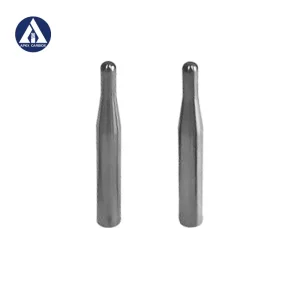
China Preformed Solid Carbide Rods as per Customers' Drawings Suppliers, Factories (Jakarta Spec)
Send Inquiry / View Specs -
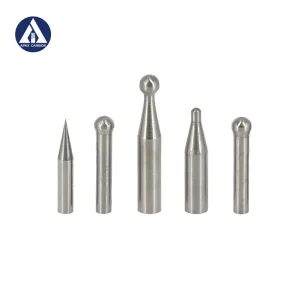
China Precision-Ground Tungsten Carbide Blanks & Preforms for Cutting Tool Manufacturing (Jakarta Hub)
Send Inquiry / View Specs -
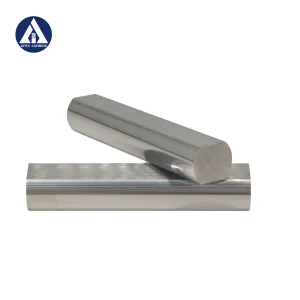
China Solid Carbide Round Blank with Two Weldon Flats, Pre-Ground Cemented Rod for Jakarta CNC Lines
Send Inquiry / View Specs -
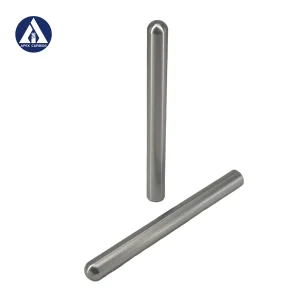
Wholesale Carbide Preformed Ball Nose Blank Rods Pre-Machined Sphere Tip for Ball End Mill Making (Jakarta Quality)
Send Inquiry / View Specs -
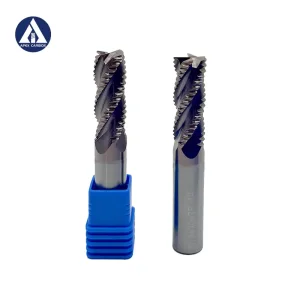
China 4 Flute Straight Shank Carbide Roughing End Mill with TiALN Coating (Jakarta High-Feed Milling)
Send Inquiry / View Specs -
Preformed Ball Nose Blank Rods Pre-Machined Sphere Tip for End Mill Fabricators (Jakarta Toolroom Series)
Send Inquiry / View Specs -
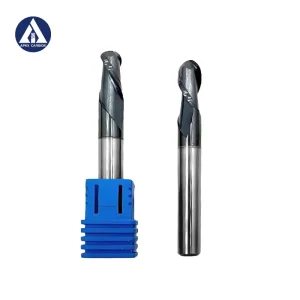
China 2 Cuts Ball Nose/Spherical Solid Carbide End Mills for Stainless Steel (Jakarta Marine & Pump Engineering)
Send Inquiry / View Specs -
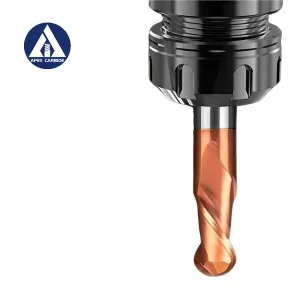
Wholesale 55 HRC TiSiN Nano Coated Ball Nose End Mill with 2 Flutes (Jakarta Die & Mold Grade)
Send Inquiry / View Specs