
High-Precision Carbide Discs & Circular Saws
Ultra-wear-resistant solid tungsten carbide slitting cutters and saw blanks engineered to minimize tool change frequency and maximize production efficiency in Australian workshops.
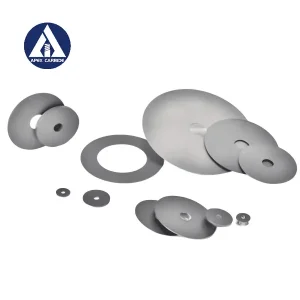
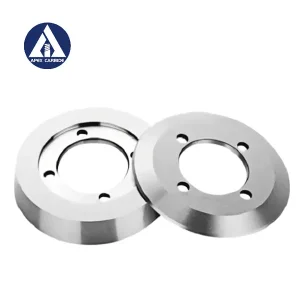
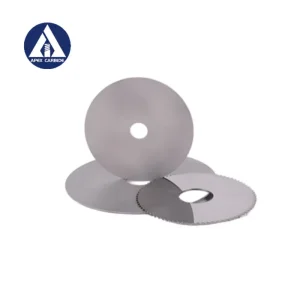
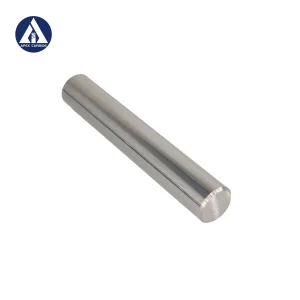
Navigating Australia's Demanding Industrial Cutting Environments
From Western Australia's resource extraction hubs to Queensland's timber corridors and the manufacturing precincts of Victoria and NSW, precision tungsten carbide tooling faces rigorous operating stresses.
Severe Abrasive Wear in Mining & Quarries
Australia's mining machinery, sample preparation labs, and core cutting operations deal with extremely abrasive iron ore, bauxite, and quartz formations. Standard tool steel blades degrade rapidly, causing frequent tooling downtime. Our proprietary 10-12% Cobalt micro-grain carbide discs offer Transverse Rupture Strength (TRS) exceeding 3800 MPa, providing structural resilience against severe micro-chipping.
Native Hardwood Processing Stresses
The Australian forestry and mass timber sector works with notoriously dense endemic species like Jarrah, Ironbark, and Spotted Gum, exhibiting Janka hardness ratings above 12 kN. Conventional TCT saw blades suffer from premature thermal softening. APEX tungsten carbide saw blades utilize optimized rake angles and submicron grain binders capable of sustaining sharp cutting geometries under continuous thermal strain.
Automated Slitting & Converting Lines
Australian packaging, paper, corrugated board, and flexible film manufacturers operate high-speed automated slitting lines where burr-free cuts are non-negotiable. Our circular carbide rotary blades deliver mirror-polished cutting edges with surface roughness down to Ra 0.05 μm, preventing edge build-up, material tear, and uneven slit profiles at speeds exceeding 600 m/min.
Global Sourcing Shifts in Precision Cemented Carbide
International OEMs and tooling distributors are re-evaluating supply architectures. Price per insert is no longer the sole decision metric; total lifecycle tool cost, material consistency, and supply line resilience now define global procurement strategies.
Transition to Near-Net-Shape Blanks
Tool grinding shops across Australia and Europe increasingly specify precision pre-formed and near-net-shape carbide blanks. By reducing the volume of expensive diamond wheel grinding stock by up to 35%, production lead times are shortened and operational energy consumption on 5-axis CNC tool grinding machinery is substantially minimized.
Strict Metallurgical Traceability
Aerospace, defense, and medical machine shops enforce zero-defect supplier policies. Grade consistency depends on strictly controlled grain sizing, precise cobalt dissolution, and complete elimination of internal voids. Global procurement mandates full Sinter-HIP processing with lot-level metallographic certification for density, coercivity, and magnetic saturation.
Supply Chain Diversification & Buffer Agility
Volatile shipping corridors have driven Australian distributors to establish direct factory partnerships capable of agile batch dispatch. Sourcing models that support low MOQs for specialty geometry prototypes alongside scheduled monthly sea-freight container deliveries safeguard local distributor stock without capital overextension.
China Industry 4.0: Metallurgical Precision & Vertical Integration
Operating across 3 dedicated production facilities in Jiangxi—the epicenter of global tungsten reserves—Jiangxi Apex Carbide Co., Ltd. controls the complete supply chain from raw ammonium paratungstate (APT) reduction to sub-micron finish grinding.
| Manufacturing Stage | Advanced Industry 4.0 Technology Applied | Technical Impact on Australian End-Users |
|---|---|---|
| Powder Synthesis | Automated ball milling with in-line particle size laser diffraction analysis | Ultra-consistent cobalt matrix distribution; elimination of uncarburized graphite flakes |
| Isostatic Forming | CNC multi-axis hydraulic powder compaction & high-pressure extrusion | Uniform green density; minimal distortion during high-temperature phase transitions |
| Densification | German-engineered 100-bar Low-Pressure Sinter-HIP Furnaces | Zero residual micro-porosity (ISO A00 B00 C00 rating); TRS elevated by >25% |
| Finishing & Inspection | High-precision CNC Centerless Grinding & Automated Optical Sorting (AOI) | Tolerances controlled down to ±0.002 mm (h5/h6 standard); runout within 0.005 mm |
Years of Specialized Cemented Carbide Metallurgy
Integrated Modern Factories in Jiangxi, China
Precision Cylindrical & Surface Grinding Limits
Rapid Production Lead Times for Custom Orders
Carbide Grade Matrix for Specialized Australian Workpieces
Selecting the ideal balance between Hardness (Rockwell A) and Fracture Toughness ($K_{1C}$) is critical for preventing catastrophic fracture during heavy interrupted cuts.
| APEX Grade | Grain Size (μm) | Cobalt Content | Hardness (HRA) | TRS (MPa) | Recommended Australian Industrial Applications |
|---|---|---|---|---|---|
| AP-K10 | Submicron (0.8 μm) | 6.0% | 92.8 - 93.2 | ≥ 3200 | Slitting non-ferrous metals, lithium battery foil, PCB trim, abrasive plastic extrusions |
| AP-M20 | Fine (0.6 - 0.8 μm) | 10.0% | 91.8 - 92.4 | ≥ 3600 | General timber rip saws, Australian Jarrah/Spotted Gum profiling, corrugated slitting |
| AP-U12 | Ultrafine (0.4 - 0.6 μm) | 12.0% | 92.2 - 92.6 | ≥ 4000 | Mining core sample slitting, titanium / stainless steel machining, interrupted shearing |
| AP-W15 | Medium (1.2 - 1.8 μm) | 15.0% | 88.5 - 89.5 | ≥ 3400 | Heavy-impact scrap shear knives, pulverizer hammer tips, quarry wear plates |
Require Custom Dimensions or Technical Grade Advice?
Our metallurgical team collaborates directly with tooling engineers across Sydney, Melbourne, Brisbane, and Perth. Send your CAD drawings or technical specs for a direct factory quotation.
Frequently Asked Questions for Australia B2B Buyers
Essential guidance on commercial terms, shipping arrangements, metallurgical tolerances, and custom prototype fabrication.
How does APEX ensure shipping efficiency and import compliance for Australia?
Can you manufacture custom circular saw blades and discs according to CAD drawings?
What is the minimum order quantity (MOQ) for non-standard custom discs?
Why is Sinter-HIP processing mandatory for carbide disc cutters?
How do APEX carbide tools handle heat dissipation during heavy-duty cutting?
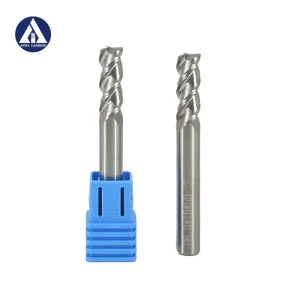
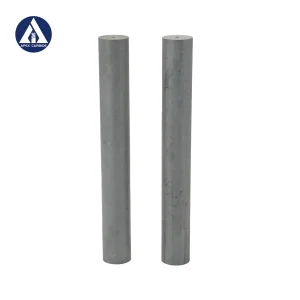
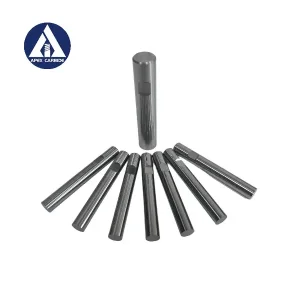
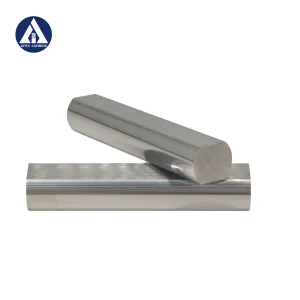
Precision Carbide Tooling & Sintered Round Bars
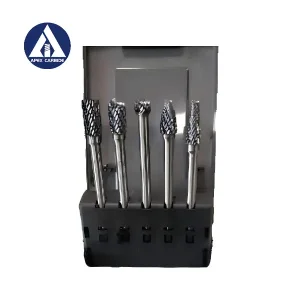
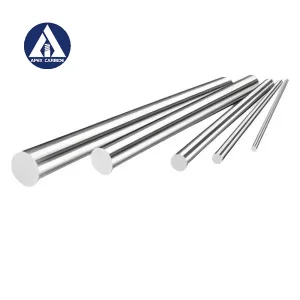
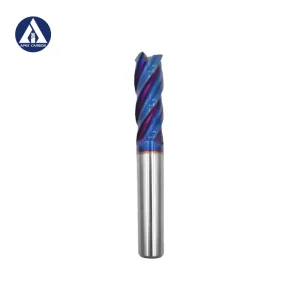
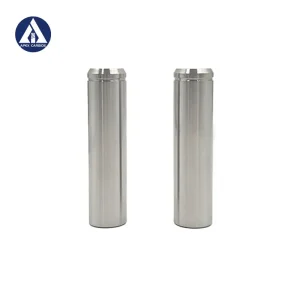
Explore our extended catalog of ground bars, coolant-hole blanks, rotary burrs, and high-performance CNC milling cutters manufactured to international DIN/ISO standards.
Ready to Optimize Your Australian Tooling Supply Chain?
Partner with an integrated manufacturer possessing 20+ years of sintering expertise. Direct factory pricing, zero-defect quality inspection, and dependable delivery to Australian operations.