Primary Carbide Coolant Rod Portfolio for Manila Machining Centers
Explore our primary sintered and h5/h6 ground tungsten carbide rods with axial, single, and dual coolant channels configured specifically for solid drill production, high-feed reamers, and deep-cavity tooling.
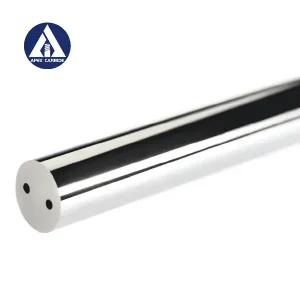
Straight Coolant Hole Carbide Rods (Single/Dual)
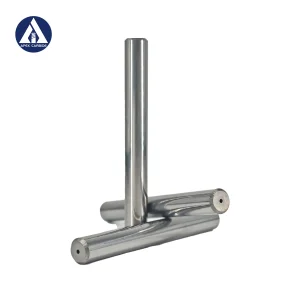
Chamfered Carbide Blank with Single Coolant Hole
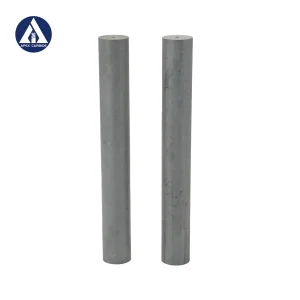
Unground Carbide Rod Blank with Axial Coolant Duct
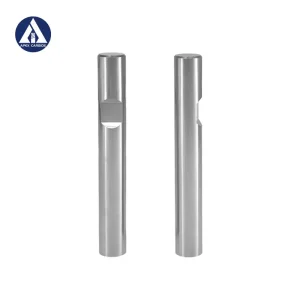
Weldon Flat Ground Solid/Coolant Carbide Rods
Industrial Modernization in Greater Manila: The Critical Role of Coolant-Fed Carbide
Metro Manila serves as the administrative, logistics, and financial engine driving the industrialization of the Philippines. Surrounding the capital region, the CALABARZON corridor—spanning Laguna, Cavite, and Batangas—forms the highest concentration of high-precision manufacturing facilities in Southeast Asia. Precision tooling demands are undergoing profound structural shifts as manufacturers migrate toward high-speed 5-axis CNC machining, micro-electronic packaging, and advanced aerospace components.
Semiconductor & Electronics Packaging
Luzon accounts for significant global volumes in backend semiconductor assembly and test (OSAT) and passive electronic component manufacturing. Producing carbide micro-drills, trim-and-form punches, and IC mold cores requires ultra-fine grain tungsten rods with uniform cobalt binder integrity to prevent micro-chipping during high-cycle operations.
Precision Die & Mold Manufacturing
Automotive clusters in Santa Rosa and general engineering mold-makers across Cavite require coolant-fed carbide tooling capable of penetrating hardened die steels (NAK80, SKD61, and DC53 up to 60 HRC). Internal coolant ducts guarantee thermal shock resistance, flushing abrasive swarf out of deep ribs and cooling deep runner channels.
Aerospace Maintenance & Precision MRO
With international maintenance hubs centered around Ninoy Aquino International Airport (NAIA) and Clark Freeport Zone, Philippine aerospace machinists routinely drill and mill aerospace-grade titanium (Ti-6Al-4V) and heat-resistant superalloys (Inconel 718). Coolant hole rods deliver cutting fluid directly to the cutting zone, suppressing work hardening.
Macro Solutions: Sinter-HIP Densification & Coolant Duct Hydrodynamics
Cemented carbide performance in wet CNC environments hinges entirely on two metallurgical criteria: absolute structural density free from micro-voids, and hydrodynamically balanced internal channels. Our integrated manufacturing process controls every variable from ammonium paratungstate (APT) reduction to low-pressure overpressure sintering.
| Carbide Grade | Cobalt Content (wt%) | Grain Size Class | Hardness (HRA / HV30) | TRS (MPa) | Internal Duct Types | Primary Manila Application Field |
|---|---|---|---|---|---|---|
| APX-U06 | 6.0% | Submicron (0.8 μm) | 93.2 HRA / 1750 HV | 3,800 MPa | Single axial hole | Graphite electrodes, abrasive cast iron, electronic composite boards |
| APX-M10 | 10.0% | Ultra-fine (0.5 μm) | 92.6 HRA / 1640 HV | 4,200 MPa | 1 or 2 straight coolant holes | Standard CNC drills, mold steels (P20, NAK80), carbon steel turning tools |
| APX-N12 | 12.0% | Nano-fine (0.4 μm) | 92.1 HRA / 1580 HV | 4,500 MPa | Two straight or helical holes | Hardened dies (SKD61, 55+ HRC), stainless 316L, interrupted aerospace milling |
| APX-T15 | 15.0% | Fine grain (0.8 μm) | 89.8 HRA / 1380 HV | 4,600 MPa | Heavy axial coolant duct | High-impact forming tools, stamping dies, cold forging punches |
Overpressure Sinter-HIP Thermodynamics
Traditional vacuum sintering leaves residual microscopic pores (A04/B02) that trigger catastrophic fracture when high-pressure coolant fluid (exceeding 70 bar) surges through internal channels. APEX applies an integrated 60-bar Argon overpressure cycle at peak liquid phase (1420°C). This completely collapses internal porosity down to ISO A00/B00 ratings, maximizing transverse rupture strength and fatigue resistance.
Precision Fluid Dynamics & Flute Alignment
When grinding twist drills and reamers, the coolant hole must maintain concentric runout within 0.05 mm along the entire rod axis (up to 330 mm). Any deviation leads to tool imbalance or accidental breakthrough during flute grinding. APEX utilizes specialized mandrel extrusion technologies that lock coolant hole location, diameter, and helical pitch tolerances within microscopic thresholds.
Global Tungsten Dynamics: Securing Cost & Supply Stability for Manila
International tungsten prices have exhibited sustained volatility due to resource scarcity, export tariffs, and tightening environmental standards on primary smelting. For machine shops and CNC cutting tool manufacturers in Manila, erratic raw material pricing and unstable supply chains jeopardize fixed-bid manufacturing contracts.
Direct Upstream Mineral Source
Headquartered in Jiangxi, China—the global epicenter of tungsten reserves—Jiangxi Apex Carbide controls the supply chain directly from mineral processing through ammonium paratungstate (APT) to WC powder synthesis, insulating Philippine buyers from intermediate broker markups.
Strict Batch-to-Batch Homogeneity
Global toolmakers often experience erratic tool life when switching batches. APEX maintains computerized batch blending with strict spectral analysis. Every rod delivered to Manila comes backed by a certified metallurgical analysis sheet verifying grain size, cobalt ratio, and magnetic saturation.
Agile MOQ & Buffer Inventories
Unlike Western suppliers that mandate hundreds of kilograms per order, APEX offers an agile Minimum Order Quantity starting at just 1 piece for standard sizes, with scheduled batch buffer contracts tailored for Philippine tool regrinding shops and contract CNC facilities.
Localized Support & Compliance Assurance for Philippine Importers
Importing industrial raw materials into the Philippines requires meticulous coordination with customs authorities, freeport zones, and shipping carriers. APEX provides a turnkey export workflow tailored to Philippine legal, fiscal, and logistical frameworks.
PEZA Ecozone Duty-Free Documentation
A significant portion of Manila's high-tech manufacturing resides within Philippine Economic Zone Authority (PEZA) sites—such as Laguna Technopark, First Philippine Industrial Park (FPIP), and Gateway Business Park. We provide fully compliant Form E (ASEAN-China FTA) preferential origin certificates and formal PEZA export invoices, enabling duty-free and VAT-exempt customs clearing.
Multi-Modal Transit to Manila (MICP & NAIA)
For routine stock replenishment, consolidated sea shipments clear through the Manila International Container Port (MICP) or Manila South Harbor within 7–10 days transit. For urgent prototyping or rush production needs, direct air freight routes via NAIA guarantee rod blank arrivals within 3 business days, protected in anti-corrosive vacuum tubes.
Localized Machining Applications Across Luzon's Industrial Hubs
Where do APEX coolant-hole carbide rods prove their superior performance? In the most demanding machining cycles found across Philippine industrial parks:
Deep-Hole Drilling in Austenitic Stainless (SUS304/316)
Food processing, medical hardware, and marine equipment fabricated around Valenzuela and Caloocan require deep drilled holes (>10xD) in work-hardening stainless steel. Central coolant channels maintain hydrostatic lubrication at the drill chisel edge, avoiding catastrophic chip packing and drill breakage.
Plastic Injection Mold Cooling Circuit Gun Drilling
Laguna die shops creating multi-cavity injection molds for Japanese automotive interiors utilize our long unground carbide rods (up to 330 mm) to grind custom gun drills, guaranteeing perfect hole straightness and mirroring surface finishes inside tool steel core blocks.
High-Feed Pocketing in Pre-Hardened Tool Steels
For CNC job shops machining stamping punches for electronic lead-frames, dual coolant holes supply high-velocity cutting emulsion straight to the peripheral end mill teeth, suppressing thermal cracking and prolonging tool life by 250% compared to external flooding.
Technology Roadmap: The Future of Internal Coolant Carbide Tooling
As high-pressure through-spindle cooling systems (up to 300 bar) and Minimum Quantity Lubrication (MQL) become standard across modern Philippine CNC facilities, APEX is deploying three core metallurgical advancements.
Nano-Crystalline Binder Phase (<0.2 μm)
Developing sub-nano tungsten grains with specialized grain growth inhibitors (VC and Cr3C2) that achieve extreme hardness (94.0 HRA) without compromising impact toughness, ideal for micro-machining semiconductor ceramic composites.
Optimized Helical Pitch Hydrodynamics
Next-generation 30° and 40° helical dual holes with customized internal kidney-shaped or elliptical profiles. These channels reduce fluid back-pressure by 35%, generating greater exit velocity and chip evacuation force at the cutting lips.
Functionally Graded Carbide Substrates
Integrating gradient cobalt distributions where the outer cutting perimeter maintains high wear resistance (low cobalt, ultra-hard), while the inner core surrounding the coolant hole possesses enriched cobalt toughness to resist cyclic pressure fatigue.
Frequently Asked Questions: Sourcing Carbide Rods for Manila
Clear, engineering-backed answers addressing technical specifications, logistics to the Philippines, grinding allowances, and customized manufacturing.
What is the difference between single axial, dual straight, and dual helical coolant holes?
What outer diameter tolerances can APEX provide for ground carbide rods shipped to the Philippines?
How do Philippine machine shops handle customs duties when importing from Jiangxi Apex?
What is the minimum order quantity (MOQ) and lead time for shipments to Manila?
Can APEX supply pre-ground Weldon flats and cut-to-length custom blanks?
Which carbide grade is best suited for machining hardened mold steels above 55 HRC?
Extended Precision Rods & CNC Cutting Tool Collection
Engineered for high durability and chip evacuation, this extended range supports mold makers, aerospace suppliers, and contract CNC grinding workshops across Metro Manila and surrounding PEZA regions.
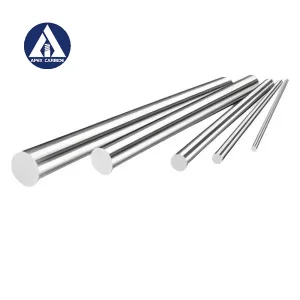
High-Hardness Solid Carbide Rod (Unground/Ground)
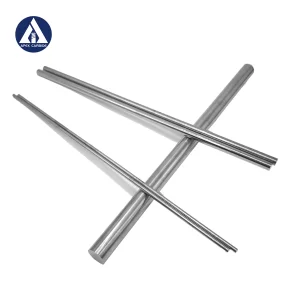
Solid Carbide Pre-Cut Blank Rods
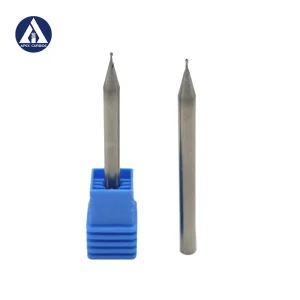
2-Flute Micro Ball Nose Carbide End Mill
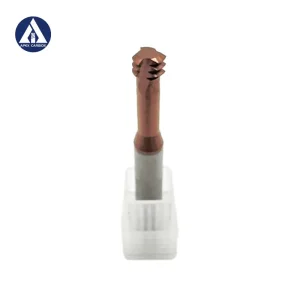
3-Tooth General Machining Thread End Mill
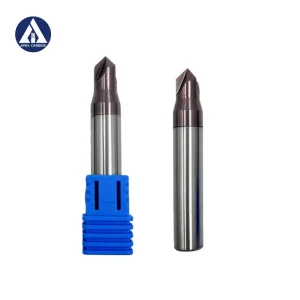
90° 3-Flute Carbide Center Chamfer Mill
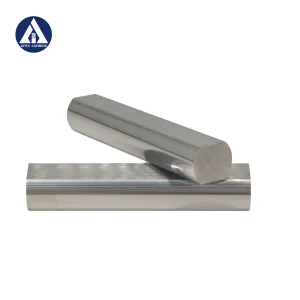
Carbide Round Blank with Dual Weldon Flats
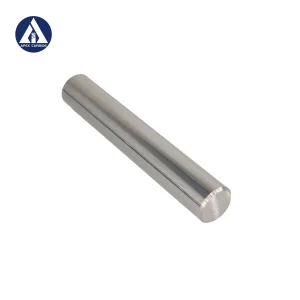
Unground Sintered Carbide Rod Blank (330mm)
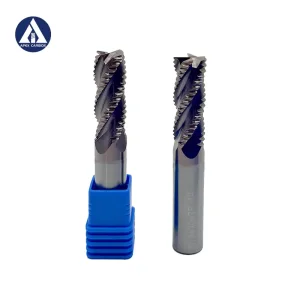
4-Flute Carbide Roughing End Mill (TiAlN)
Partner Directly with China's Premier Carbide Rod Manufacturer
Serving machine shops, tool manufacturers, and procurement departments throughout Manila, Laguna, Cavite, and across the Philippines with verified metallurgical excellence, swift delivery, and transparent pricing.