Primary Product Showcase
High-Precision Carbide Tools & Industrial Components
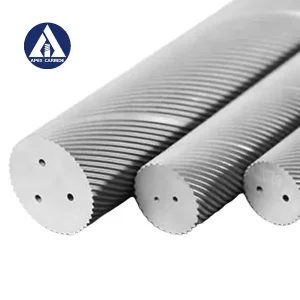
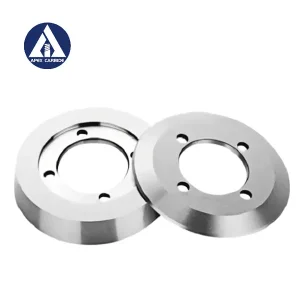
Explore our foundational inventory of circular cutters, micro ball nose end mills, and ground or unground solid carbide rods tailored for critical tooling applications.
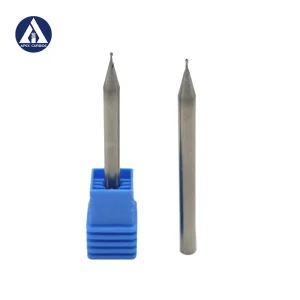
China 2 Flutes Solid Carbide Micro Ball Nose End Mills Tiny Diameter CNC Milling Tools for Mold Machining
View Specifications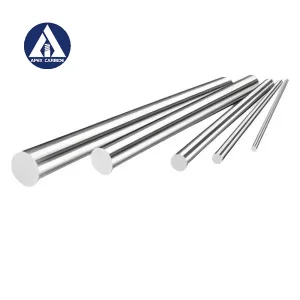
Wholesale High Quality Tungsten Solid Carbide Rod with Ground or Unground Manufacturer, Supplier
View Specifications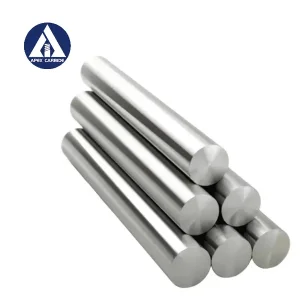
China Tungsten Solid Carbide Rods for End Mills and Drills with stable high quality from China Factory
View Specifications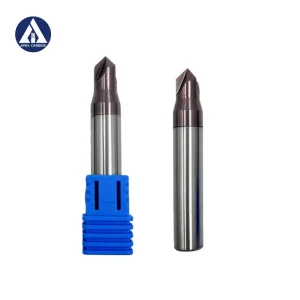
Wholesale 90° 3 Flute Carbide Center Chamfer End Mill Suppliers, Factories
View Specifications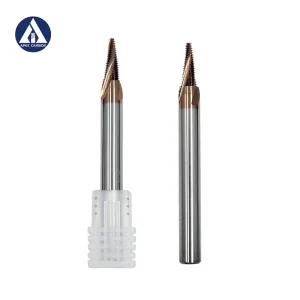
Wholesale Tapered Thread Milling Cutter with TiALN Coating Manufacturers, Factory
View Specifications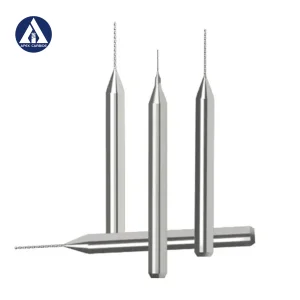
China Ultra Fine Grain Tungsten Carbide Rod Blanks For PCB Micro Drill Bit Manufacturing
View Specifications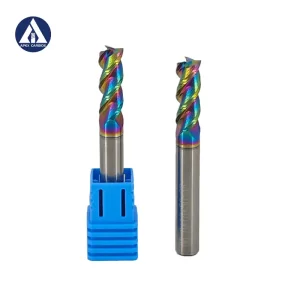
Wholesale Tungsten Carbide End Mills for Alumius with Multi-Colored Coating Manufacturer, Suppliers
View Specifications≥ 4,200 MPa
Transverse Rupture Strength
91.8 - 93.5
Hardness (HRA Range)
± 0.002 mm
Precision h5/h6 Cylindrical Grinding
1,000,000 pcs
Monthly Production Capacity
Industry Macro Intelligence
High Wear Resistance Carbide: Market Trends & Sourcing Realities
A rigorous examination of powder metallurgy advancements, wear-mechanism mitigation, and shifting corporate procurement paradigms across precision sectors.
Nano-Grain Sintering Breakthroughs
The global cemented carbide sector has transitioned toward ultra-fine (0.4–0.6 µm) and nano-scale tungsten carbide (WC) grain distributions. By mitigating grain boundary sliding via doped inhibitors (such as Cr3C2 and VC), high-wear-resistance grades exhibit heightened fracture toughness without compromising extreme hardness.
- Elimination of micro-voids via 100-bar Sinter-HIP cycles
- Superior edge retention under severe thermal shock
- Substantially lower flank wear in titanium milling
Global Procurement Volatility Shifts
With ammonium paratungstate (APT) raw material valuations experiencing sharp shifts, engineering teams and procurement divisions have pivoted from spot-market ordering to qualified strategic manufacturing partnerships capable of delivering predictable metallurgical lot repeatability.
- Mandatory multi-batch spectroscopic chemical tracing
- Single-point factory integration: powder to finished grind
- Total Cost of Ownership (TCO) prioritization over piece-price
Demanding Machining Environments
Modern CNC high-speed machining centers (exceeding 25,000 RPM) require high-wear carbide tools with exceptionally low thermal expansion coefficients and high transverse rupture strength to withstand interrupted cut impacts in aerospace and mold-finishing cycles.
- Minimized centrifugal blade distortion in circular cutters
- Flawless surface finish on mirror-polished mold cores
- Reduced tool replacement frequency on automated lines
Metallurgical Engineering
Macro Industry Solutions: Targeted Carbide Formulation Matrix
Correlating cobalt binder fractions, mean WC grain dimensions, and physical mechanical properties to target demanding manufacturing workflows.
| Alloy Classification | Co Binder (%) | WC Grain Size | Hardness (HRA) | TRS (MPa) | Primary Industrial Application |
|---|---|---|---|---|---|
| Grade AX-U06 | 6.0% | 0.4 - 0.6 µm | 92.8 - 93.5 | ≥ 3,800 | PCB micro drills, graphite machining, abrasive composites, aluminum-silicon alloys |
| Grade AX-M10 | 10.0% | 0.6 - 0.8 µm | 91.8 - 92.5 | ≥ 4,200 | Universal high-performance solid end mills, drills, and standard wear components (≤ 55 HRC) |
| Grade AX-S12 | 12.0% | 0.5 - 0.7 µm | 91.2 - 92.0 | ≥ 4,400 | Difficult-to-cut metals (Inconel, Titanium alloys, hardened stainless mold steels up to 65 HRC) |
| Grade AX-W15 | 15.0% | 1.2 - 1.8 µm | 88.5 - 89.8 | ≥ 3,600 | Heavy cold-heading punches, stamping dies, shear knives subjected to extreme impact shock |
Aerospace & Defense
High-temperature resistance is paramount when milling forged titanium airframe components. Our customized Sinter-HIP carbide rods provide exceptional resistance against chemical dissolution and micro-welding at elevated interface temperatures.
High-Precision Mold & Die
Micro-ball nose tools machined from ultra-fine APEX rods exhibit minimal tool runout (≤ 0.003 mm), enabling unassisted mirror finishing of injection molds, cold-heading tooling, and stamping assemblies with zero secondary hand-polishing required.
Converting & Slitting
Operating continuously without unplanned thermal downtime, APEX tungsten carbide circular blades retain keen cutting perimeters over millions of linear meters of abrasive films, corrugated packaging, and heavy non-ferrous foil webs.
Reliability & Risk Mitigation
Localized Support, Quality Governance & Compliance
Ensuring end-to-end supply chain transparency, conflict-free raw material sourcing, and swift technical advisory services for tier-1 tool manufacturers.
100% Raw Material Traceability
Every delivery batch is accompanied by comprehensive metallographic certificates detailing density (g/cm³), coercive force (Hc), magnetic saturation (4πσ), and Vickers hardness (HV30).
Responsible Supply Protocol
Strictly compliant with OECD Responsible Minerals Guidelines and RoHS/REACH regulatory directives. Sourced entirely from verified non-conflict mining operations with audited processing lines.
Global Engineering Response
Dedicated metallurgical support engineers provide drawing assessments, substrate matching, and PVD/CVD coating recommendations within 24 operational hours to avoid fabrication downtime.
Protected International Logistics
Engineered anti-shock individual sleeve boxing, corrosion-inhibiting VCI film, and desiccated hermetic packaging designed to withstand extreme air-freight depressurization and transoceanic shipping.
Strategic Horizons
R&D Technology Roadmap: The Next Decade in Hardmetals
Anticipating next-generation manufacturing demands through active research initiatives into functionally graded structures, sustainable binding agents, and high-entropy cemented carbides.
Phase 1: Cobalt-Alternative Formulations
Investigating Ni-Fe and multi-principal element binders to eliminate biological toxicity concerns associated with cobalt handling, while improving corrosion resistance within medical tooling and subsea wire-drawing operations.
Phase 2: Functionally Graded Carbide Blanks
Developing gradient sintering techniques yielding carbide components with an ultra-hard, wear-resistant outer periphery (> 94 HRA) coupled smoothly to a tough, impact-absorbing core to prevent sudden tool fracture under extreme cyclic loads.
Phase 3: Additive Binder Jetting Integration
Refining powder conditioning for the direct 3D printing of complex internal conformal helical cooling channels, unlocking drill blank profiles previously unachievable through standard multi-axis extrusion tooling.
Knowledge Center
Frequently Asked Questions for Sourcing & Tooling Engineers
Detailed technical clarification addressing grain chemistry, grinding tolerances, sample evaluation protocols, and lead times.
What parameters define true "High Wear Resistance" in cemented tungsten carbide?
High wear resistance is not dictated merely by surface hardness. It relies on the structural stoichiometry of tungsten carbide, the reduction of free carbon (graphite) and eta-phase (carbon deficiency), uniform submicron grain distributions (typically 0.4–0.8 µm), and proper Sinter-HIP processing. This combination yields zero metallurgical micro-porosity and delivers balanced Transverse Rupture Strength (TRS ≥ 4,000 MPa) along with elevated HRA ratings (≥ 92.5).
What are your standard cylindrical grinding tolerances for carbide rods?
Our CNC centerless grinding suites achieve standard h6 tolerances, with high-precision h5 or custom tolerances (-0.005 mm / +0.000 mm) available upon request. Surface roughness on ground rods consistently meets Ra 0.2 µm or finer, and all rods can be equipped with precision end chamfers and pre-machined Weldon flats.
Can you produce customized preforms or tools based directly on customer CAD files?
Yes. We provide complete OEM/ODM production according to 2D/3D technical drawings (.step, .dwg, .pdf). Our engineers calculate sintering shrinkage allowances to manufacture near-net-shape blanks, custom step drills, profiling knives, and wear bushings, significantly reducing grinding stock removal and cycle time for your CNC tool grinding shop.
What is the Minimum Order Quantity (MOQ) and production lead time?
For standard catalog items and standard rod blanks, the MOQ is just 1 piece to facilitate sample validation and trial testing. Production lead times typically range from 7 to 25 days depending on batch volume, required finishes, and non-standard geometries.
Advanced Product Series
Precision Preforms, End Mills & Coolant-Hole Solutions
High-end carbide blanks, helical coolant hole geometries, and specialized coating configurations engineered for heavy-duty metal removal.
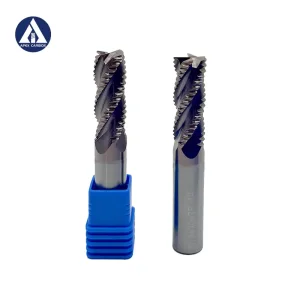
China 4 Flute Straight Shank Carbide Roughing End Mill with TiALN Coating Manufacturer, Supplier
View Specifications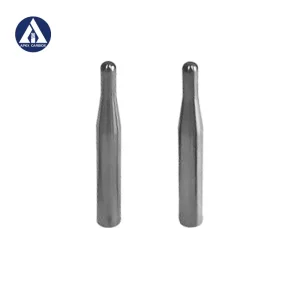
China Preformed Solid Carbide Rods as per Customers' Drawings Suppliers, Factories
View Specifications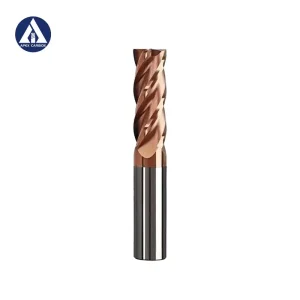
Wholesale China Bronze-colored Coating High Precision Carbide End Mills for HRC55 Solid Carbide Milling Cutter
View Specifications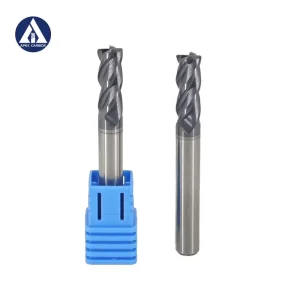
Wholesale Corner Radius Carbide Milling Cutters with Coated for Stainless Steel Manufacturer, Suppliers
View Specifications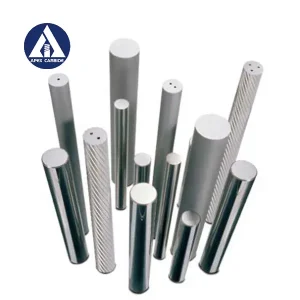
Wholesale Tungsten Carbide Rods for end mills drills reamers with stable high quality from China Factory Supplier
View Specifications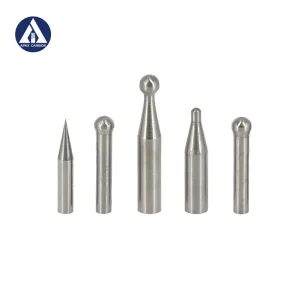
China Precision-Ground Tungsten Carbide Blanks & Preforms for Cutting Tool Manufacturing Manufacturer, Suppliers
View Specifications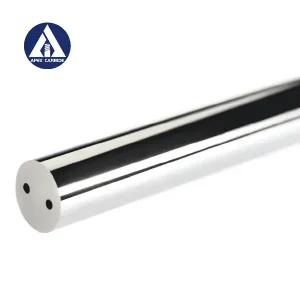
China Tungsten Carbide Rods with one or two Straight Coolant holes in blank or h5 ground Manufacturers, Suppliers
View Specifications